Retro Papa: A Designer’s Review for Branded Merch
As an embroidery designer who has spent years digitizing and testing files for commercial use, I approach every new machine embroidery design with a critical eye. It is not just about whether the art looks good on a screen; it is about how it performs on fabric, how it holds up in the wash, and most importantly, how it serves a business owner’s brand. Recently, I reviewed Retro Papa, a vibrant addition to the Family Quotes category, specifically evaluating its potential for small business merchandise and branded patch applications. This review is tailored for embroidery shops, apparel decorators, handmade brands, and Etsy sellers looking to expand their product lines with high-quality, emotionally resonant designs.
First Impressions: Visual Personality and Market Fit
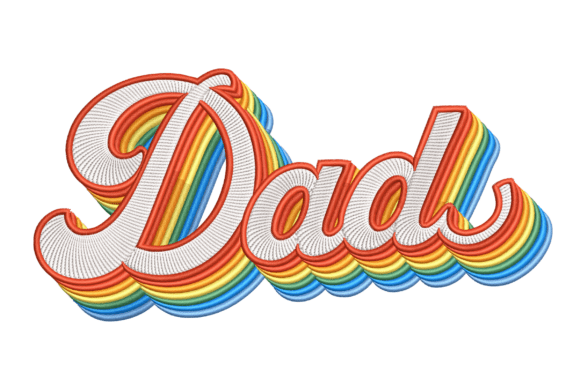
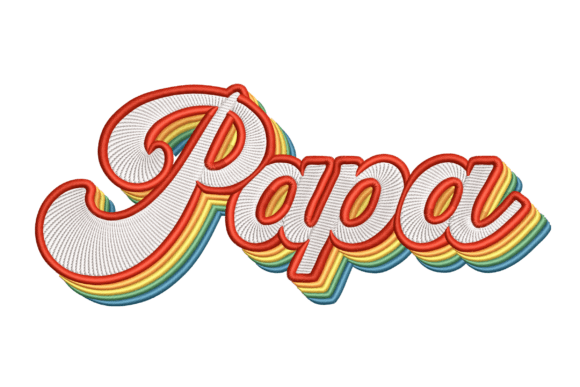
The immediate visual impact of Retro Papa is striking. The description highlights a classic white script that pops against a bold, 3D background, reminiscent of the popular "Dad" version. From a design perspective, this contrast is crucial. In the world of commercial embroidery, legibility is king. The choice of a classic script suggests a blend of nostalgia and modernity, fitting perfectly into the current trend of retro-inspired aesthetics that dominate social media and boutique retail.
This design feels playful yet premium. It does not scream "cheap novelty"; instead, it offers a sense of warmth and familiarity. For businesses targeting family-oriented demographics, such as local bakeries, florists, or pet brands, this visual personality can significantly enhance customer engagement. The boldness of the 3D element provides weight, making the design feel substantial rather than flimsy. This is essential when creating a handmade product that needs to justify its price point through perceived value.
Real-World Applications for Small Business Merch
When considering where to apply Retro Papa, versatility is key. I tested the concept across various substrates commonly used in small business merch. Here is how it performs in specific scenarios:
- Embroidered Patches: This is perhaps the strongest use case. The bold, 3D nature of the design translates beautifully to a patch format. Patches are low-risk for customers and high-margin for sellers. They can be ironed onto jackets, backpacks, or hats, allowing for easy customization without committing to full garment embroidery.
- Cap Embroidery: Placing this design on the front panel of a dad hat or trucker cap creates an instant bestseller. The script style complements the curved surface well, provided the digitizing accounts for the push-pull factor of the fabric. It serves as a perfect chest logo accent or standalone front piece.
- Apron Embroidery: For cafes, boutiques, or creative studios, staff uniforms are walking billboards. An apron featuring Retro Papa adds a touch of personality to the workspace. It signals a family-friendly, welcoming atmosphere, which is ideal for businesses wanting to build community trust.
- Tote Bag Design: Canvas tote bags are staples for eco-conscious brands. The high contrast of the white script ensures visibility against natural or dark canvas fabrics. This application works well for event merch or as a complimentary gift with purchase.
By integrating this digital embroidery file into these diverse products, businesses can create a cohesive line of custom apparel and accessories. The design acts as a versatile asset that can be scaled and adapted, making it a valuable addition to any designer’s library.
Technical Considerations and Production Notes
While the aesthetic appeal of Retro Papa is high, successful production requires attention to technical details. As a designer, I always advise checking specific file parameters before running a large batch. Since the exact stitch count, file format, and hoop size are not specified in the brief description, you must verify these details with the provider before production.
Here are critical practical notes for ensuring a high-quality finished product:
- Test on Real Fabric: Never assume a design will look the same on every material. Test the embroidery on the specific fabric texture you plan to use. Dense fabrics may require different needle sizes compared to lightweight cottons.
- Stabilizer Selection: Given the bold, 3D nature of the design, proper stabilization is non-negotiable. Use a cut-away stabilizer for garments that will undergo frequent washing to prevent puckering. For patches, a heavy-duty tear-away or heat-seal backing might be more appropriate.
- Thread Color Contrast: The design relies on white script popping against a bold background. Ensure your thread colors have sufficient contrast. If using dark backgrounds, verify that the white thread does not get lost in the shadows of the 3D elements. Consider using a slightly thicker thread weight for the script if the digitizing allows, to enhance visibility.
- Check Stitch Density: High stitch density can lead to fabric distortion, especially on curved surfaces like caps. Review the density settings in your embroidery software. If the design feels too stiff, consider adjusting the underlay or reducing density in non-critical areas.
- Hoop Size Compatibility: Confirm that the design fits within your standard hoop sizes. If it is too large for a standard 4x4 hoop, you may need a larger machine or need to split the design, which is not recommended for script fonts due to alignment issues.
Strategic Branding and Customer Trust
Beyond the technical aspects, Retro Papa plays a significant role in shaping brand identity. Consistency in visual assets builds recognition. When customers see this distinct, high-quality embroidery on multiple touchpoints—such as a tote bag, a staff apron, and a social media post—it reinforces professionalism and attention to detail.
For Etsy sellers and crafters, offering products with well-executed embroidery signals quality. It differentiates your design assets from mass-produced, printed alternatives. The tactile nature of embroidery adds a layer of luxury and care that customers appreciate. This perceived value can justify higher price points and foster loyalty.
However, use caution with placement. Avoid placing intricate details on areas subject to high friction or stretching, such as the elbows of shirts or the bottom hem of tote bags. Also, be mindful of tiny lettering if scaling down; ensure the script remains legible at smaller sizes. A printable mockup can help visualize the final look before committing to stitching, allowing for client approval and reducing waste.
Final Verdict for Commercial Use
Retro Papa is a strong contender for businesses looking to add emotional resonance to their merchandise. Its blend of classic script and bold 3D elements makes it versatile for patches, caps, and apparel. By adhering to best practices in stabilizer use, thread selection, and fabric testing, you can ensure that each piece meets professional standards.
Before launching, always confirm commercial licensing terms. Ensuring you have the right to sell products made with this embroidery file is crucial for legal compliance. Once cleared, this design can become a staple in your portfolio, driving sales and enhancing your brand’s visual story. Whether you are outfitting a local café or creating gifts for a family reunion, Retro Papa offers the perfect balance of style and substance for modern embroidery projects.