Retro Dad Embroidery Design Review for Business Merch
As an embroidery designer who has spent years digitizing and testing files for commercial use, I approach every new machine embroidery design with a critical eye. It is not just about whether a pattern looks cute on a screen; it is about how it performs under the needle, how it holds up after washing, and most importantly, how it serves the brand identity of the small business owner purchasing it. Today, I am reviewing Retro Dad, a vibrant addition to the Family Quotes category that promises a blast from the past with its groovy aesthetic.
This review is tailored for small business owners, Etsy sellers, apparel decorators, and crafters who are considering adding this piece to their library of design assets. We will look beyond the surface appeal to evaluate its viability for branded patches, custom apparel, and boutique merchandise.
First Impressions: Visual Personality and Market Fit
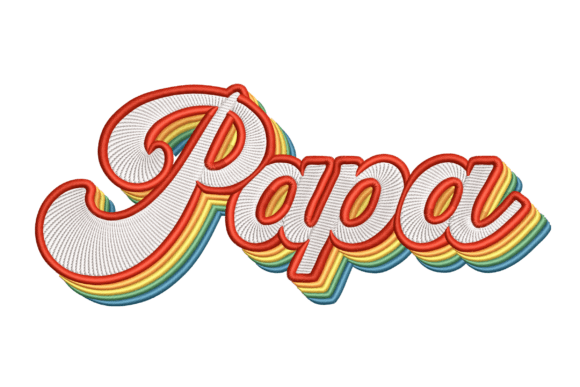
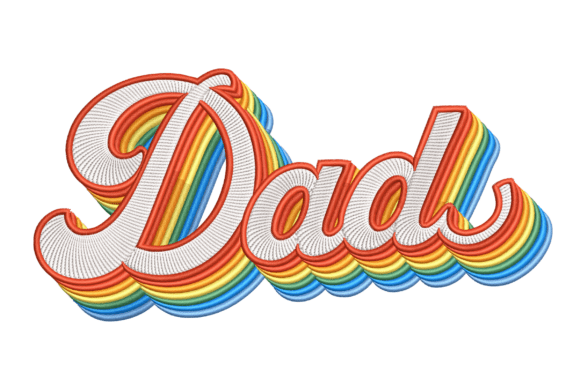
The first thing that strikes you about Retro Dad is its bold confidence. The description highlights a classic retro 3D stacked look with a colorful rainbow spectrum. In the current market, nostalgia is a powerful sales driver. Designs that evoke the 70s and 80s resonate deeply with consumers looking for warmth, humor, and personality in their purchases. This design feels playful yet structured, striking a balance between decorative fun and professional presentation.
For a handmade brand or a creative studio, this visual personality is invaluable. It does not scream "cheap novelty"; instead, it offers a curated, vintage-inspired vibe that fits well within the modern trend of elevated basics. When I visualize this as part of a small business merch line, I see it working exceptionally well for Father’s Day campaigns, year-round gift shops, and lifestyle brands that prioritize family values without sacrificing style.
Real-World Applications for Commercial Embroidery
The true test of any digital embroidery file is its versatility. Can it survive the transition from a digital preview to a tangible finished product? Here is how Retro Dad performs across various commercial applications:
- Embroidered Patches: This is perhaps the strongest use case. The 3D stacked lettering provides natural depth, which translates beautifully into a patch format. A satin border around the design would contain the stitches and give it a premium, collectible feel. These patches can be sold as standalone items or used to upgrade plain denim jackets and canvas bags.
- Cap Embroidery: Placing this design on the front panel of a dad hat or trucker cap creates an instant bestseller. The curved surface of a cap requires careful digitizing, but the bold lines of this design should hold up well, provided the stitch density is managed to prevent puckering.
- Apron Embroidery: For bakeries, florists, or coffee shops, branded aprons are essential. Retro Dad could be adapted for staff uniforms in family-owned businesses, adding a touch of whimsy to the professional attire. It works particularly well on canvas or heavy cotton aprons where the fabric can support the weight of the thread.
- Tote Bag Design: Canvas totes are a staple for eco-conscious brands. Embroidering this design on a tote bag elevates it from a simple carry-all to a fashion statement. The rainbow spectrum allows for creative thread color choices that can match specific brand palettes or seasonal themes.
Technical Considerations and Production Challenges
While the aesthetic is strong, production realities must be addressed. As a designer, I always advise checking the technical specifications before committing to a large run. Since the exact stitch count and file formats are not detailed in the brief description, you must verify these details with the provider. However, based on the "3D stacked" description, here are my professional notes:
- Stitch Density and Fabric Texture: Retro styles often rely on dense satin stitches to create that solid, blocky look. High stitch density can cause lightweight fabrics to pucker or distort. Always test this design on the actual fabric you intend to use. For lighter shirts, a cut-away stabilizer is non-negotiable to maintain shape integrity.
- Small Patch Sizes: If you plan to shrink this design for small labels or tiny patches, be cautious. The "stacked" nature means there are overlapping elements. At very small sizes, these layers might merge, losing the 3D effect. Always create a printable mockup at actual size to check legibility.
- Thread Colors and Contrast: The rainbow spectrum is the selling point, but it also presents a challenge. You need high-quality rayon or polyester threads to ensure the colors pop. On dark uniforms or black caps, you may need to adjust the thread colors or add an underlay to ensure visibility. Test the contrast thoroughly.
- Hoop Size Constraints: Confirm the required hoop size before purchasing. If the design is large, it may not fit on standard cap frames or small hoop setups commonly used for quick-turnaround projects.
Impact on Brand Identity and Customer Trust
Using a well-executed design like Retro Dad does more than just decorate a product; it reinforces brand identity. Consistency in visual style builds trust. If your brand is known for quirky, high-quality, family-oriented goods, this design aligns perfectly. It signals to the customer that you pay attention to trends and care about the emotional connection of your products.
Furthermore, professional embroidery enhances perceived value. A printed t-shirt might sell for $15, but an embroidered one can easily command $25 or more. The texture and durability of embroidery suggest longevity and quality. By incorporating this design into your custom apparel line, you are not just selling a shirt; you are selling a durable, tactile experience that customers associate with premium craftsmanship.
Final Verdict for Small Business Owners
Retro Dad is a strong contender for any embroidery business looking to expand its Family Quotes collection. It is versatile enough to work on patches, caps, and apparel, provided you respect the technical limitations of dense stitching. It is not just a decorative element; it is a strategic asset for creating engaging, sellable merchandise.
Before you begin production, remember to check the commercial licensing terms. Ensure you have the right to use this embroidery file for physical goods you intend to sell. Once cleared, run your test stitches, perfect your stabilizer choice, and prepare to offer a product that combines nostalgic charm with modern quality. For the experienced decorator, this design offers a reliable path to creating standout items that customers will love to wear and gift.