Family Embroidery Design: A Professional Review for Small Business Merch
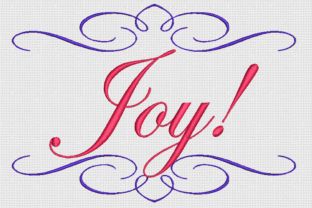
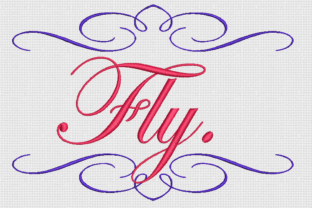
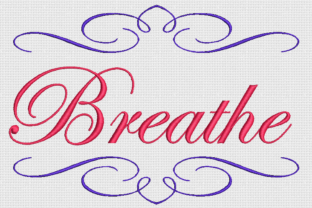
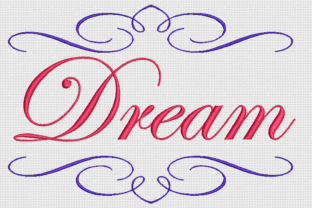
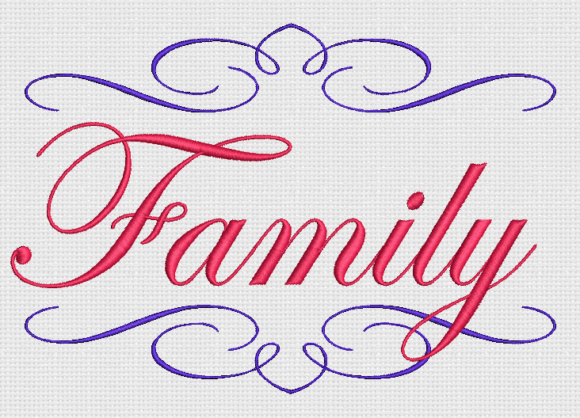
As an embroidery designer who has spent years digitizing and reviewing thousands of files for commercial use, I approach every new machine embroidery design with a critical eye. It is not just about whether a pattern looks pretty on a screen; it is about how it performs in the real world of small business merchandising. Today, I am reviewing a specific design titled Family, categorized under Awareness Inspiration. This piece features the word “Family” rendered in Edwardian Script, promising a stylish look that elevates designs to a higher level. For boutique owners, Etsy sellers, and apparel decorators, understanding the practical application of this file is crucial before adding it to your digital library.
First Impressions: Visual Personality and Brand Fit
The immediate impression of the Family design is one of elegance and warmth. The choice of Edwardian Script suggests a classic, perhaps slightly vintage aesthetic. This is not a bold, modern sans-serif logo; it is decorative, fluid, and inherently personal. For brands that rely on emotional connection—such as family photographers, bakeries, florists, or handmade gift shops—this visual personality is a significant asset. It feels premium and thoughtful rather than corporate or cold.
However, from a professional standpoint, script fonts in embroidery present unique challenges. The flowing lines must maintain integrity without becoming a tangled mess of thread. The description promises a "stylish look," and in my experience, this type of typography works best when it conveys sophistication. If your brand identity leans towards rustic charm, traditional values, or high-end bespoke services, this design aligns perfectly. It serves as more than just decoration; it acts as a statement of values, fitting squarely into the Awareness Inspiration category by highlighting the importance of connection and heritage.
Real-World Applications for Small Business Merchandise
When considering where to apply this embroidery file, versatility is key. Here is how I envision this design performing across various product lines for creative entrepreneurs:
- Embroidered Patches: This is arguably the strongest use case. A satin-stitch border around the script can create a clean, finished edge for iron-on or sew-on patches. These can be sold as standalone items or used as branded labels on handmade products.
- Apron Embroidery: For bakeries, cafes, or craft studios, placing this design on the chest pocket of a canvas apron adds a touch of professionalism. It signals that the staff cares about their craft and their community.
- Tote Bag Design: Canvas totes are a staple for eco-conscious brands. The contrast of elegant script against rough canvas texture creates a visually appealing juxtaposition that customers love.
- Cap Embroidery: While possible, this requires careful placement. The curvature of a cap front can distort long script words. I recommend testing this on a curved surface to ensure the letters remain legible.
- Custom Apparel: Think beyond standard t-shirts. This design would shine on heavyweight hoodies or linen shirts where the fabric can support the weight of the stitching without puckering.
For Etsy sellers and merch creators, this design can serve as a central element in seasonal collections. Imagine pairing it with floral motifs for Mother’s Day or combining it with minimalist graphics for a modern farmhouse aesthetic. The key is to treat the Family text as a primary brand asset, ensuring it complements rather than competes with other design elements.
Technical Considerations and Production Challenges
While the aesthetic appeal is high, we must address the technical realities of executing script embroidery. Edwardian Script typically involves fine lines and connected letters. In the world of commercial embroidery, this translates to potential issues with stitch density and registration.
Stitch density is a critical factor. If the digitizer has packed too many stitches into the thin curves of the letters, the thread may break, or the fabric may pucker. Conversely, if the density is too low, the backing fabric might show through, ruining the premium look. Before running a full production batch, you must test this design on the actual fabric you intend to use. Fabric texture plays a massive role here; a smooth cotton will yield different results than a textured towel or a stretchy jersey.
Another concern is size. Script designs often lose legibility when scaled down. If you plan to use this as a small chest logo on a polo shirt or a tiny tag on a garment, you must verify that the individual letters do not merge together. I always advise checking the minimum recommended size provided with the digital embroidery file. If that information is missing, create a test sample at your intended size to confirm clarity.
Furthermore, consider the hoop size. Ensure your machine’s hoop can accommodate the width of the word “Family” without requiring re-hooping, which can lead to misalignment. For larger applications like tote bags, you may need a multi-needle machine or a larger single-needle hoop to capture the full span of the script in one go.
Enhancing Brand Identity and Customer Trust
Using a well-executed embroidery design like Family does more than just decorate a product; it builds brand equity. When customers see precise, clean stitching, they perceive higher value. It signals attention to detail and quality control. For small businesses, this perception is vital for justifying premium pricing.
Consistency is another factor. If you use this design across multiple touchpoints—such as on staff uniforms, packaging inserts, and social media printable mockups—it reinforces brand recognition. The elegant script becomes synonymous with your business’s voice. However, this only works if the execution is flawless. Poorly stitched script can look amateurish and detract from professionalism. Therefore, investing time in proper stabilizer selection is non-negotiable. Cut-away stabilizers are generally recommended for garments that will undergo frequent washing, while tear-away might suffice for decorative items that see less wear.
Practical Designer Notes for Implementation
Before you purchase or begin production with this design, follow these steps to ensure success:
- Test in Black and White First: Stitch out the design in black thread on white fabric. This removes the variable of color and allows you to focus purely on the shape, spacing, and cleanliness of the stitches.
- Check Thread Color Contrast: Edwardian Script relies on the flow of the line. Ensure your thread color contrasts sufficiently with the fabric so the letters are easily readable.
- Inspect Spacing and Connections: Look closely at where the letters connect. Are there jumps that need trimming? Is the underlay sufficient to hold the top stitches in place?
- Create a Printable Mockup: Before stitching on final inventory, use a digital mockup to visualize the design on your specific product. This helps in marketing and client approval processes.
- Confirm Commercial Licensing: Always verify the license terms associated with the digital embroidery file. Ensure you have the right to use it for physical goods sold for profit.
- Compare Beside Other Assets: Place the stitched sample next to your existing logo and branding materials. Does it feel cohesive? Does it enhance your overall visual identity?
In conclusion, the Family embroidery design offers a sophisticated option for businesses looking to add a personal, elegant touch to their merchandise. It fits well within the Awareness Inspiration niche, appealing to customers who value tradition and connection. However, its success depends entirely on technical execution. By paying attention to stitch density, fabric choice, and proper stabilization, you can transform this digital file into a powerful tool for brand building. Whether used on an apron, a patch, or a tote bag, this design has the potential to elevate your finished product and deepen customer engagement. Just remember to test thoroughly and respect the nuances of script embroidery to achieve the highest level of professional quality.