Fly Embroidery Review: Elevating Small Business Merch
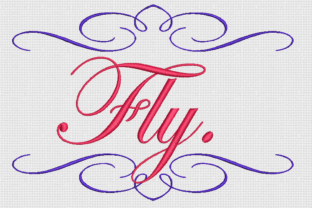
As an embroidery designer who has spent years digitizing logos and testing thousands of machine embroidery design files for commercial use, I approach every new asset with a critical eye. It is not just about whether a design looks pretty on a screen; it is about how it performs in the hoop, how it wears after fifty washes, and how it elevates a brand’s perceived value. Recently, I reviewed Fly, a text-based design featuring the word "Fly" rendered in Edwardian Script. Categorized under Awareness Inspiration, this piece promises versatility for small business merch creators. Here is my professional breakdown of its potential for branded patches, apparel, and boutique goods.
First Impressions: The Personality of Edwardian Script
The immediate visual impact of Fly is one of refined elegance. Edwardian Script is a classic typeface that carries connotations of heritage, sophistication, and timeless style. Unlike modern sans-serif fonts that scream "tech startup," or bold block letters that shout "streetwear," this script whispers "boutique." For a small business owner, this distinction is vital. The design feels premium and decorative, making it an excellent choice for brands that want to project warmth, creativity, and high-quality craftsmanship.
However, script fonts are notoriously tricky in embroidery. They require precise digitizing to ensure the connecting strokes do not become tangled messes of thread. In my initial assessment, Fly appears to handle these curves with grace. The flow suggests a handmade quality that aligns perfectly with the current market demand for authentic, artisanal products. Whether you are running a floral studio, a high-end bakery, or a creative consultancy, this aesthetic bridges the gap between professional corporate branding and approachable handmade charm.
Strategic Applications for Brand Identity
When integrating Fly into your product line, consider how it reinforces your brand identity. This design is not just decoration; it is a statement. Here is how I envision it working across various commercial applications:
- Embroidered Patches: This is perhaps the strongest use case. A satin-stitch patch featuring Fly can be applied to denim jackets, canvas totes, or laptop bags. It serves as a subtle yet distinct badge of belonging for your customers.
- Staff Uniforms and Aprons: For cafes and boutiques, apron embroidery adds a layer of professionalism. Placing this script on the chest pocket or the upper back of an apron creates a cohesive look that customers associate with quality service.
- Cap Embroidery: Script on caps is trending, but it requires careful placement. Fly could work beautifully on the side panel of a dad hat or curved along the front of a structured cap, provided the size is adjusted correctly.
- Tote Bag Design: Canvas totes are staple items for eco-conscious brands. A centered, medium-sized embroidery of Fly turns a simple bag into a fashionable accessory, increasing the perceived value of the finished product.
By using this design consistently across these touchpoints, you create visual consistency. Customers begin to recognize the script as part of your visual language, building trust and recognition over time.
Technical Considerations for Production
While the aesthetic appeal is high, the technical execution of script designs demands attention to detail. As a designer, I always advise testing before committing to a large production run. Here are the critical factors to evaluate when working with Fly:
Stitch Density and Fabric Texture
Script fonts often have varying stitch density. Thick downstrokes may have high density, while thin upstrokes may be sparse. If you are embroidering on textured fabric like terry cloth towels or heavy canvas, ensure the design does not sink into the pile. Conversely, on lightweight fabrics like silk or thin cotton, high density can cause puckering. Always use the appropriate stabilizer. For stretchy materials, a cut-away stabilizer is non-negotiable to maintain the integrity of the curves.
Size Limitations and Legibility
One of the biggest risks with script embroidery is losing legibility at small sizes. The intricate loops of Edwardian Script can merge if scaled down too far. Before using Fly as a tiny chest logo or a small tag, stitch it out at your intended size. If the letters begin to touch or the details blur, you may need to increase the size or simplify the design for that specific application. This is crucial for custom apparel where space is limited, such as on polo shirts or baby garments.
Thread Color Contrast
The success of this design relies heavily on thread colors. Because it is a single-word script, the contrast between the thread and the fabric is paramount. On dark uniforms, use light, bright threads to ensure visibility. On light fabrics, deep navy, black, or burgundy threads will provide the necessary pop. Avoid low-contrast combinations, such as grey thread on white fabric, which can make the design look washed out and unprofessional from a distance.
Business Value and Customer Engagement
Incorporating Fly into your offerings is more than an artistic choice; it is a business strategy. Handmade products with high-quality embroidery command higher price points. When a customer sees a neatly stitched script on a tote bag or a patch, they perceive the item as durable and valuable. This perception drives buyer engagement and encourages social sharing, which is free marketing for your brand.
Furthermore, this design fits seamlessly into the "Awareness Inspiration" category. It can be used for motivational merchandise, wellness brands, or community groups. The word itself is uplifting, and the script style softens the message, making it feel inviting rather than aggressive. This emotional connection is what transforms a one-time buyer into a loyal brand advocate.
Practical Designer Notes for Implementation
To ensure the best results with this digital embroidery file, follow these practical steps before launching your campaign:
- Test in Black and White First: Stitch a sample in black thread on white fabric. This reveals any digitizing errors, jumps, or spacing issues without the distraction of color.
- Check Hoop Size Compatibility: Confirm that the design fits within your standard hoop size. While the description mentions multiple formats, always verify the dimensions against your machine’s capabilities.
- Create a Printable Mockup: Before stitching, place the design on a printable mockup of your product. This helps visualize scale and placement, allowing for client approval or internal review without wasting materials.
- Review Commercial Licensing: Ensure you have the right to use this design for commercial purposes. Check the license terms included with the file to confirm you can sell items featuring Fly.
- Compare with Existing Assets: Place Fly beside your other design assets. Does it complement your current logo? Does it clash with other patterns? Consistency is key to a strong brand presence.
Finally, remember that this machine embroidery design comes with multiple embroidery file formats and can be used in multiple embroidery machines. This flexibility is a significant advantage for shops with diverse equipment. However, always load the format native to your machine to avoid conversion errors that can alter stitch paths.
Final Verdict
Fly is a sophisticated addition to any embroidery designer’s library. Its Edwardian Script style offers a blend of elegance and approachability that is rare in digital assets. For small business owners, Etsy sellers, and merch creators, it provides a versatile tool for enhancing brand identity across patches, apparel, and accessories. By respecting the technical nuances of script embroidery and applying it strategically, you can create high-value products that resonate with customers. Just remember to test, stabilize, and scale appropriately. When executed well, this design does not just decorate a product; it defines it.