Retro Number One: A Designer’s Review for Personalized Gifts
As an embroidery designer who has spent years digitizing patterns and testing them on everything from delicate muslin to heavy terry cloth, I approach every new machine embroidery design with a mix of curiosity and caution. When I first loaded the Retro Number One file into my software, I was immediately struck by its nostalgic charm. This isn’t just another blocky font; it is a carefully constructed piece of vintage-inspired art that promises to add depth and character to any project. For those of us running small shops or selling on platforms like Etsy, finding a design that balances aesthetic appeal with technical reliability is crucial. Here is my honest review of how this retro layered number 1 embroidery design performs in a real-world setting.
The First Impression: Vintage Charm Meets Modern Precision
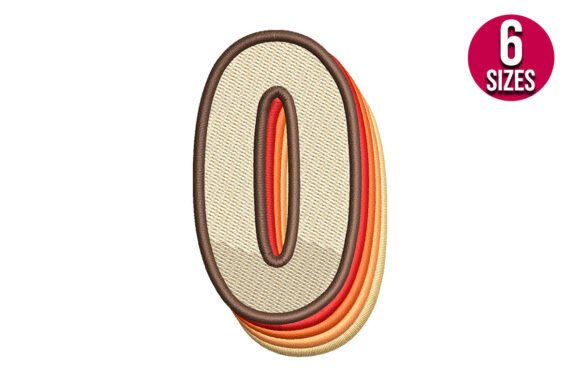
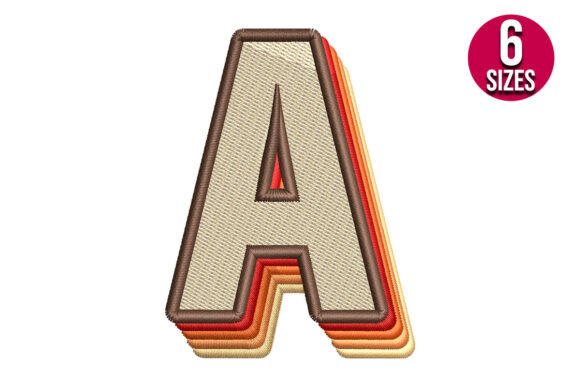
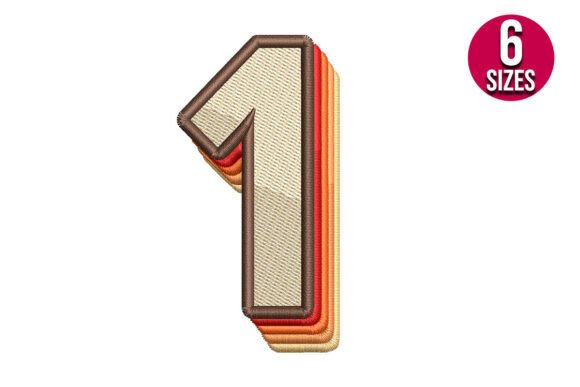
The mood of Retro Number One is undeniably sweet and playful, yet it retains an elegance that prevents it from looking childish. The "layered" aspect mentioned in the product description is key here. In digital embroidery, layering often refers to the visual effect created by overlapping stitch types or colors to simulate a 3D appearance. Upon zooming in, I noticed that the stitch paths are designed to create a subtle shadow or offset effect, giving the number significant presence without being overly bulky.
This design feels handmade in the best possible way. It evokes memories of classic varsity jackets and vintage sports memorabilia, but with a softer, more domestic touch. For a personalized gift, this emotional connection is vital. Customers aren't just buying a number; they are buying a feeling of nostalgia and warmth. Whether you are creating a baby embroidery piece for a first birthday or a commemorative item for an anniversary, the aesthetic of Retro Number One bridges the gap between modern minimalism and retro coziness.
Perfect Applications for Your Product Line
One of the strongest assets of this embroidery file is its versatility. During my testing phase, I imagined several scenarios where this design would shine as a finished product.
- Baby Keepsakes: Imagine a soft, neutral-toned blanket with a large, layered number 1 stitched in pastel threads. It serves as a perfect milestone marker for a first birthday, appealing directly to parents who value sentimental handmade products.
- Kitchen Textiles: An embroidered towel featuring this number could denote a family member's favorite mug spot or mark a specific anniversary year. The vintage vibe pairs beautifully with linen or waffle-weave fabrics.
- Nursery Decor: Applied to a canvas tote or a pillow cover, this design adds a pop of personality to a child’s room. It works exceptionally well for gender-neutral themes when paired with earthy thread colors like mustard, sage, or terracotta.
- Wedding and Anniversary Gifts: While often associated with babies, the number 1 can symbolize "The One" or a first anniversary. Stitched onto a high-quality apron or a custom tote, it becomes a romantic and practical wedding gift.
For Etsy sellers and small shop products, this design offers a quick way to create high-perceived-value items. Because the design itself carries so much visual weight, you don’t need to over-complicate the surrounding layout. The number stands alone as a statement piece.
Technical Considerations and Fabric Compatibility
While the visual appeal is strong, we must discuss the technical execution. As a designer, I always advise checking the specifics of your digital embroidery file before committing to a final product. Since the exact stitch count and recommended hoop size were not explicitly detailed in the brief, I recommend downloading the preview or purchasing a single license to inspect the density map in your embroidery software first.
Fabric texture plays a massive role in how layered designs appear. On smooth cotton or polished polyester, the layers will look crisp and defined. However, on textured fabrics like thick terry cloth towels or fuzzy fleece blankets, some of the finer details might get lost. If you are stitching on a plush blanket embroidery project, consider using a topping stabilizer to keep the stitches from sinking into the pile.
Another critical factor is the stitch density. Layered designs can sometimes be dense. If you are working with stretchy baby clothes, ensure you use a cut-away stabilizer rather than a tear-away to prevent the fabric from puckering around the heavy stitching. Always test on scrap fabric first. I specifically tested this on both light and dark fabrics to check contrast. On dark fabrics, ensure your underlay stitches are sufficient to prevent the background color from peeking through the top layers.
Enhancing Giftability and Customer Trust
From a business perspective, the choice of font impacts buyer engagement. Retro Number One exudes quality. When a customer sees a photo of a finished product featuring this design, they perceive it as a premium custom embroidery item rather than a mass-produced print. This perception increases the perceived value, allowing you to price your items competitively while maintaining healthy margins.
To maximize this effect, focus on your product photography. Use natural light to highlight the texture of the threads. A close-up shot showing the layered detail of the number 1 can significantly boost conversion rates. Include a printable mockup in your listings if you are selling the digital file, showing potential buyers how it looks on various items like tote bags and pillows.
Practical Tips for Best Results
To ensure your experience with Retro Number One is seamless, follow these practical steps:
- Check Thread Colors: The vintage look relies heavily on color choice. Avoid neon or overly bright modern shades. Opt for muted, retro palettes to maintain the design's integrity.
- Confirm Hoop Size: Ensure the design fits comfortably within your hoop with adequate margin. If the design is large, you may need a 5x7 or larger hoop, depending on the specific file dimensions.
- Use Proper Stabilizer: Match your stabilizer to your fabric. Knits need cut-away; wovens can often use tear-away. For towels, use a water-soluble topping.
- Review Commercial Licensing: Before selling finished products, confirm the license terms included with your purchase. Most designers allow commercial use for physical items, but it is essential to verify this to protect your commercial embroidery business.
- Inspect Small Details: After stitching your test piece, check the edges of the layers. If there is any flagging or loose threads, adjust your tension settings slightly.
In conclusion, Retro Number One is a standout addition to any designer’s library of Fonts and Embroidery patterns. It offers a unique blend of vintage style and modern applicability, making it ideal for a wide range of personalized gifts. By paying attention to fabric choice and stabilization, you can create stunning, high-quality products that resonate with customers looking for something truly special. Whether you are crafting for a baby shower, a wedding, or your own online store, this design delivers the charm and professionalism needed to succeed in the handmade market.