Reviewing Whimsical Caterpillar Faux Embroidery
As an embroidery designer who has spent years digitizing logos and selecting assets for small business merchandise, I approach every new graphic with a critical eye. It is not just about whether a design looks cute on a screen; it is about how it translates to fabric, how it holds up in the wash, and whether it elevates the brand identity of the client using it. Recently, I evaluated the Whimsical Caterpillar Faux Embroidery asset to determine its viability for commercial use. This review is tailored for embroidery shops, apparel decorators, handmade brands, and Etsy sellers looking to expand their product lines with high-quality T-Shirt Designs and Graphics.
First Impressions: Visual Personality and Professional Appeal
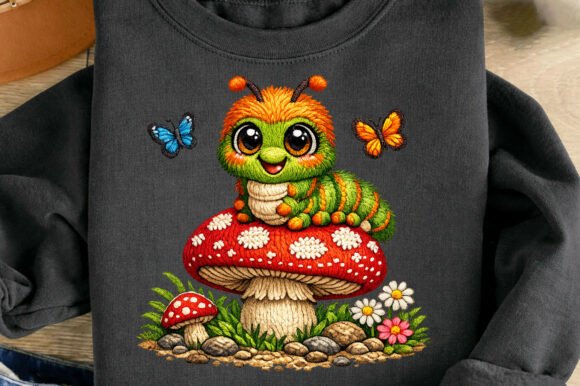
The first thing that strikes you about the Whimsical Caterpillar Faux Embroidery is its intentional aesthetic. The term "faux embroidery" suggests a digital simulation of stitched texture, which is a trending style in modern custom apparel. Upon opening the files, the design feels playful yet polished. It avoids the chaotic look of amateur clip art, offering a clean, cohesive silhouette that suggests a handmade charm without the actual labor costs of traditional stitching.
For a boutique owner or a creative studio, this visual personality is crucial. It strikes a balance between friendly and professional. It is not overly rustic, nor is it starkly modern. Instead, it occupies a sweet spot that appeals to customers who value artisanal quality. When I imagine this on a tote bag or a staff apron, it conveys warmth and approachability. For businesses in the bakery, florist, or pet care sectors, this tone aligns perfectly with customer expectations for gentle, caring service.
Real-World Applications for Small Business Merch
The versatility of this design lies in its adaptability across various small business merch categories. Because the product description indicates you receive high-resolution PNG files with transparent backgrounds, the applications are broad, though they require specific handling for different substrates.
- Embroidered Patches: This is perhaps the strongest use case. By printing the faux embroidery design onto patch material or using it as a guide for actual digitizing, businesses can create iron-on or sew-on patches. These serve as excellent branded add-ons for jackets, hats, or canvas bags.
- Staff Uniforms and Aprons: For cafés and boutiques, apron embroidery or printed accents featuring this caterpillar can unify staff appearance. The whimsical nature softens the professional look, making staff appear more accessible to customers.
- Tote Bag Design: Canvas totes are a staple for eco-friendly brands. Placing this graphic centrally or as a corner accent creates a memorable finished product that customers are likely to reuse, extending brand visibility.
- Cap Embroidery: While complex for direct stitching due to the curve, using this as a printed transfer or a structured front patch on caps works well. It adds a pop of personality to otherwise standard headwear.
- Product Packaging Accents: The high-resolution files allow for crisp printing on sticker labels or thank-you cards. This extends the handmade product feel beyond the item itself to the unboxing experience.
Technical Considerations and Production Limits
While the visual appeal is strong, any experienced designer knows that technical execution determines success. Since the Whimsical Caterpillar Faux Embroidery is provided as a PNG graphic rather than a native machine embroidery design file (such as DST or PES), there are important limitations to consider.
If you intend to use this for actual machine stitching, you cannot simply load the PNG into your embroidery machine. You must first digitize the image or use it as a reference for creating a new embroidery file. If you are using it for direct-to-garment printing or heat transfers, the 4500px by 5400px resolution is excellent. It ensures that even when scaled down for a chest logo or scaled up for a back print, the edges remain sharp and the "stitched" texture does not pixelate.
However, caution is needed when applying this to certain surfaces. On textured fabrics, the fine details of the faux stitch effect might get lost. Similarly, if you are creating a small embroidered patch, ensure the design is large enough that the individual "threads" in the graphic do not blur together. Dark uniforms may require a white underbase or a light-colored patch background to ensure the colors of the caterpillar pop, as the transparent background means the garment color will show through any non-opaque areas of the PNG.
Impact on Brand Identity and Customer Trust
Consistency is key to building brand identity. Using a cohesive set of design assets like the Whimsical Caterpillar Faux Embroidery helps establish a recognizable visual language. When customers see this same charming motif on your website, your packaging, and your physical merchandise, it reinforces professionalism. It signals that attention to detail was paid at every touchpoint.
Furthermore, whimsical designs often drive higher engagement on social media. A well-placed graphic on a tote bag or a unique patch on a denim jacket is "instagrammable." This organic marketing boosts buyer engagement and can lead to increased recognition. For handmade brands, this type of imagery supports the narrative of care and creativity, fostering deeper trust with clients who value artisanal goods over mass-produced items.
Practical Designer Notes for Implementation
Before integrating this graphic into your commercial workflow, I recommend a few practical steps to ensure quality control:
- Test in Black and White: Convert the PNG to grayscale to check contrast. If the design loses its definition without color, it may not work well on monochrome merchandise or single-color prints.
- Check Scale: Print the design at the intended size on paper and place it on the actual garment or patch blank. Verify that the details are visible and not too cluttered for the hoop size or print area you plan to use.
- Fabric Testing: Always test the print or transfer on the actual fabric type. Fabric texture can significantly alter the appearance of faux embroidery effects. Smooth cotton blends usually yield the best results for this style.
- Stabilizer Selection: If you decide to digitize this into a real machine embroidery design, pay close attention to stitch density. Faux embroidery graphics often mimic dense satin stitches. Ensure you use the appropriate stabilizer to prevent puckering, especially on lighter fabrics.
- Licensing Verification: Although the product description mentions commercial use potential, always confirm the specific license terms included in the zip file. Ensure you have the right to use the digital embroidery file or graphic for sold goods, not just personal projects.
- Mockup Creation: Create a printable mockup for client approval. Show the design on a cap, a tote, and a shirt to help clients visualize the final commercial embroidery or print result.
Final Verdict for Merch Creators
The Whimsical Caterpillar Faux Embroidery is a valuable addition to the toolkit of any merch creator or small business owner. Its high-resolution PNG format offers flexibility for printing, while its aesthetic provides a ready-made solution for brands seeking a friendly, handmade vibe. While it requires careful handling if converted to actual stitch files, its primary strength lies in its immediate usability for printed T-Shirt Designs, patches, and promotional materials.
By understanding the technical nuances of scale, fabric interaction, and licensing, you can leverage this graphic to enhance your custom apparel offerings. Whether used for a local bakery’s aprons or an Etsy seller’s branded packaging, this design has the potential to add significant visual value and professional polish to your product line. Always remember to test thoroughly and align the design with your broader brand strategy for the best results.