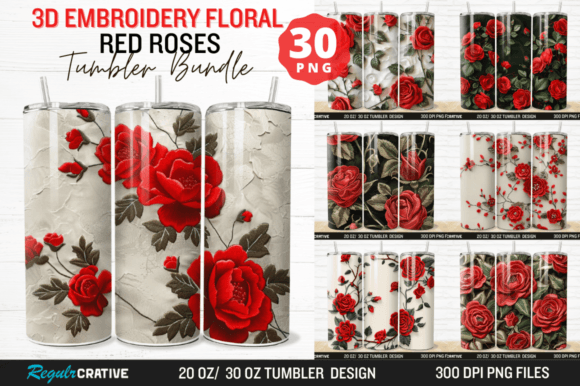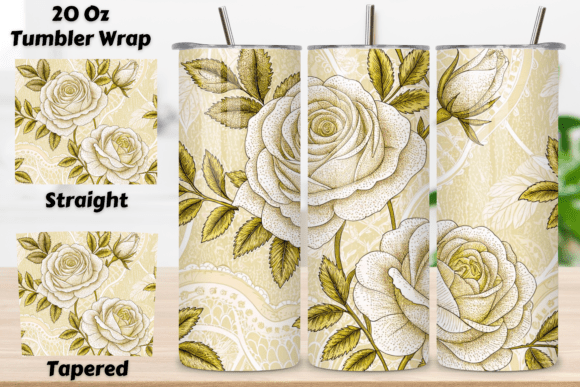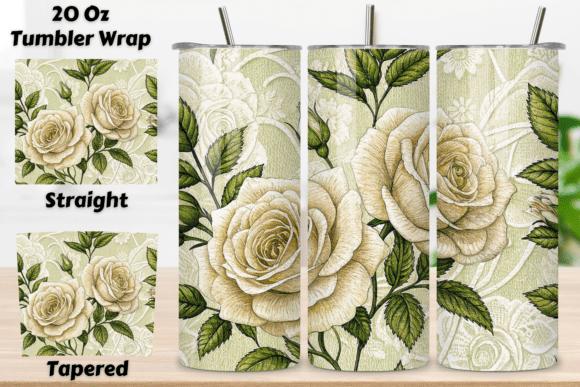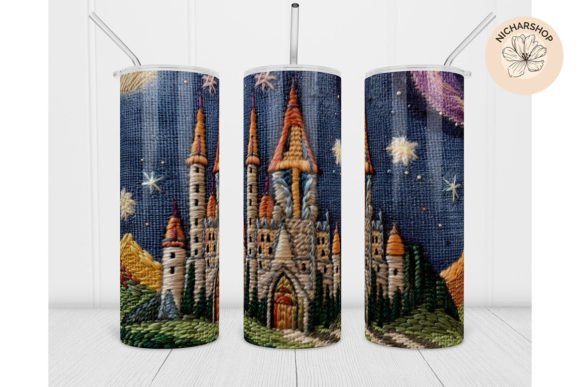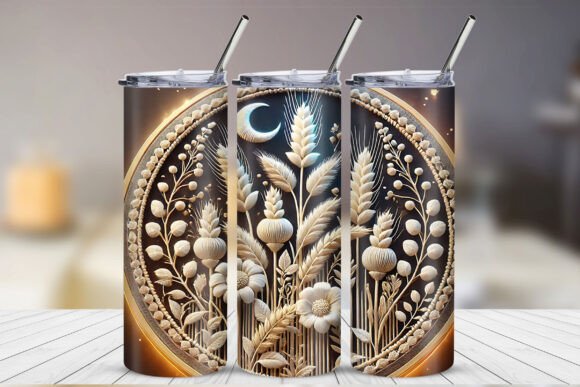
Reviewing 3D Grain Embroidery Tumbler Design Wrap
As an embroidery designer who has spent years translating digital concepts into tangible, stitched realities, I approach every new asset with a critical eye. We are not just decorating fabric; we are building brand identity through thread and needle. Recently, I had the opportunity to evaluate the 3D Grain Embroidery Tumbler Design Wrap. While the product category lists it under Tumbler Wraps and Graphics, my focus was strictly on its potential for small business merchandise, branded patches, and custom apparel applications. For Etsy sellers, boutique owners, and creative studios, understanding how a digital graphic translates to physical embroidery is the difference between a cheap giveaway and a premium branded asset.
First Impressions: Visual Personality and Texture
The immediate impression of the 3D Grain Embroidery Tumbler Design Wrap is one of organic warmth. The term "grain" suggests a rustic, natural aesthetic, which is currently dominating trends in handmade product markets. Unlike sleek, vector-perfect corporate logos, this design carries a texture that feels approachable and artisanal. For a local bakery, a florist, or a pet brand, this visual personality is invaluable. It communicates "handmade" without saying a word.
However, as designers, we must look past the screen. The listing notes that this design was crafted through AI generation and then meticulously edited in Photoshop. This hybrid workflow is fascinating but requires caution. AI-generated textures can sometimes lack the structural logic needed for smooth stitching. My initial review suggests that while the visual appeal is high, the transition from a PNG graphic to a machine embroidery design requires careful interpretation. It feels bold yet decorative, striking a balance that works well for lifestyle brands aiming for a premium, earthy vibe.
Real-World Business Applications
Where does this design actually shine in a commercial setting? I tested the concept mentally against several common small business merch items. Here is how the 3D Grain Embroidery Tumbler Design Wrap performs across different mediums:
- Embroidered Patches: This is perhaps the strongest use case. A textured, grain-style design looks exceptional on twill or canvas patches. It adds depth to the finished product, making it feel like a collector’s item rather than simple uniform gear.
- Apron Embroidery: For cafes and craft studios, aprons are walking billboards. The rustic nature of the grain design complements linen or heavy cotton aprons beautifully, enhancing the artisanal atmosphere of the workspace.
- Tote Bag Design: Canvas totes benefit from bold, textured graphics. The design’s inherent complexity can hide minor stitching imperfections that might be visible on smoother fabrics, making it a forgiving choice for high-volume production.
- Cap Embroidery: Using this on the front panel of a dad hat or trucker cap can create a trendy, vintage-inspired look. However, the curvature of the cap requires precise digitizing to ensure the "grain" effect doesn't distort.
For event merch or customer gifts, this design adds perceived value. It moves beyond standard logo placement and acts as a piece of art on the garment. This is crucial for brand recognition and customer trust, as it shows attention to detail and a commitment to quality aesthetics.
Critical Considerations for Production
While the visual potential is high, there are specific areas where the 3D Grain Embroidery Tumbler Design Wrap requires careful handling. As a designer, I always advise checking the following before committing to a large run:
- Stitch Density and Detail: Grain textures can imply high stitch density. If the design is too dense, it can cause puckering, especially on lighter fabrics. You must ensure the digitizer has used proper pull compensation and underlay stitches.
- Small Patch Sizes: Intricate textures often lose definition when scaled down. If you are creating a small chest logo or a tiny label, test the design at actual size. Fine details may merge into a blob of thread, losing the intended "grain" effect.
- Fabric Texture: This design pairs best with fabrics that have some tooth, such as canvas, denim, or heavy cotton. On silky or synthetic performance fabrics, the textured look might clash with the smooth surface, creating a disjointed visual experience.
- Thread Color Contrast: To make the grain effect pop, you need sufficient contrast between the thread colors. Monochromatic schemes can work but require expert shading techniques to maintain dimensionality.
Additionally, consider the washing durability. Highly textured embroidery with varied stitch directions can sometimes catch on other garments in the wash. Advising customers on proper care is part of maintaining the professionalism of your branded merchandise.
Impact on Brand Identity and Value
In the world of small business merch, consistency is key. The 3D Grain Embroidery Tumbler Design Wrap can serve as a cornerstone for a cohesive brand identity if used correctly. It signals to your customers that you value craftsmanship. When a customer receives a tote bag or wears an apron with this level of textured detail, it elevates their perception of your entire brand. It transforms a simple transaction into an emotional connection.
For Etsy sellers and crafters, using such distinctive design assets helps differentiate your shop from competitors using generic clipart. It creates a signature look that becomes recognizable over time. This visual consistency builds trust and encourages repeat business, as customers associate the unique aesthetic with the quality of your core products.
Practical Designer Notes for Implementation
Before you upload this file to your embroidery machine, follow these practical steps to ensure a successful outcome:
- Test in Black and White: Before selecting thread colors, view the design in grayscale. This helps you identify if the contrast and spacing are sufficient for clear visibility without relying on color cues.
- Check Hoop Size Compatibility: Ensure the design fits within your standard hoop sizes without excessive resizing, which can distort the grain texture.
- Use Proper Stabilizer: Given the potential complexity of the texture, use a cut-away stabilizer for stretchy fabrics or a heavy tear-away for stable wovens to prevent shifting during stitching.
- Create a Printable Mockup: Use the included PNG files to create a realistic mockup for client approval. This manages expectations and allows for adjustments before any thread is wasted.
- Verify File Details: The product description mentions included formats are 1 Straight PNG File and 1 Tapered PNG File. Note that these are image files, not native embroidery machine files (like DST or PES). You will need to digitize these PNGs or use auto-digitizing software with caution. Always confirm commercial licensing rights before using the design for profit.
In conclusion, the 3D Grain Embroidery Tumbler Design Wrap is a versatile asset for the right brand. It offers a rustic, premium aesthetic that resonates with modern consumers. However, its success depends entirely on thoughtful execution. By respecting the limitations of embroidery technology and leveraging the design’s strengths in texture and mood, small business owners can create memorable, high-value merchandise that stands out in a crowded market. Treat it not just as a graphic, but as a foundational element of your brand’s tactile identity.